One does not have to put up with a home that reeks of a damp shed to cut down on waste; that is the premise of Eco-Friendly Cleaning Products in Australia this year. The discerning Australian buyer is turning his attention to plant-based ingredients, waterless products, concentrated formulas and packaging which will not end up in the landfill.
In the end the right product is a matter of household circumstances, your water supply and how much faffing about one puts up with. A busy Newcastle household might be well served by a refillable bathroom cleaner, whereas a more concentrated all-purpose variety is preferable where storage is at a premium. For bathrooms, gentle pH balanced care can also be a sensible priority. I am Caspian Reed from Newcastle and in my experience a label can be deceptively green and yet the product overpriced, inconvenient or no good on last night’s pasta sauce.
A Look at the 2026 Eco-Cleaning Trends

You will find some of these trends making their way out of the specialist shops and into the average Australian kitchen and laundry. What stands out are those with sound environmental credentials and a delivery system that is as practical as it is effective.
Consumers here are wiser to greenwashing too. Just because something is “natural” is no assurance it is non-toxic, nor does recyclable packaging mean the council will take it. The point is not if the product has a green ring to it but if the whole system adds up.
| Trend | What It Changes | What To Check |
|---|---|---|
| Refillable cleaning products | Cuts out the need to buy full-size bottles time and again | Total cost, bottle durability and whether refills are readily available |
| Concentrated cleaning products | Less packaging and weight in transit, less water | Surface suitability and the accuracy of the measuring |
| Waterless cleaning products | Tablets or sheets are the order of the day | How they stand up to grease and if they are compatible with a reusable bottle |
| Native botanicals | An Australian ingredient and a fragrance you will recognise | Allergy issues and a complete list of what is in it |
| Reusable packaging | Prolongs the use of a dispenser or container | The quality of the material and any replacement parts |
Then there are the numbers. Take a 100 ml concentrate in lieu of a litre of ready-made cleaner and you have a 90% drop in liquid volume. It is an easy way to see the attraction of such formulas, even if it is not a verdict on the product as a whole.
The Case for Sustainable Cleaners
There is more to the purchase of an eco-friendly household cleaner than the price tag, though when a refill is cheaper than a new decorated bottle each month it is hard to argue. People want to do away with plastic and harsh fragrances, keep ingredient lists simple and not have to store a lot of clutter.
The state of the waste system in Australia is another prompt to have a good look at the packaging. While the Australian Government has its official waste and recycling information and national policy to consult, local collection rules are not uniform so do not think a symbol on the bottle means it will make it to kerbside recycling.
Common Misconceptions
It is tempting to judge a book by its cover. Shoppers will read “eco” or “plant-based” and conclude the item is as safe and potent on every surface as it is sustainable. In reality those words can be rather empty without the detail to back them up.
Packaging logistics are also under-estimated. A glass bottle is fine for reusing until you put it down too hard next to the laundry sink; there is no reward for breaking it on the tiles. And while a refill pouch is lighter on plastic than a bottle, a thick multi-layered one can be a nuisance to recycle.
Making Refills Work
To get value from a refill system the bottle should be robust and you should not have to go on a treasure hunt for the refills or measure them out; such habits tend to run their course in three weeks. Whether they come as powder, tablets or in a pouch, make sure the company gives you clear instructions on rinsing or returning containers and that there is a use-by date. And check the council will accept the packaging.
Choosing Reusable Packaging
When it comes to the bottle itself, opt for one with a cap that seals and a trigger you can rely on, and a label that is still legible after a few washings. It has to hold its own in the kitchen and bathroom and with the odd inquisitive teenager. A family home may call for larger refills to limit the number of orders, but in a small flat a single concentrate with labels for the different rooms will free up the cupboard. Make sure your cleaning products are well labelled and out of the reach of children and pets, no matter how mild the ingredients may be.
Concentrates And Waterless Options
There is less need to transport water across the country with a concentrated product. You will find that some, like dissolvable tablets or sheets, are waterless in the extreme, not putting any water into the equation until they get to you.
Such formats suit those who have little room for storage, receive parcels on a regular basis or like to keep their household supplies light. They do not hold an automatic edge though; a sheet which cannot cope with the oil on a cooktop could end up being more wasteful if another product is required to put it right.
Proper Use Of Concentrates
Be precise with the dilution ratio. Put in too much water and the product will not clean as it should; too little and there will be residue. A measuring tool is better than a guess from the wrist, since “about this much” is the way a small bottle can turn into a sticky affair in the cupboard.
If trying something new, put it to the test in an unobtrusive spot first, particularly where timber, natural stone or painted surfaces are concerned and on any delicate fixtures. Under no circumstances mix products unless the manufacturer has indicated they are compatible. Even “natural” ones have a way of reacting with each other or of being an irritant to the skin and lungs.
Native Botanicals
Eucalyptus and lemon myrtle impart a certain local character to Australian cleaning products. The fragrances are familiar and less synthetic in feel, but one’s preference for scent is a personal matter and botanical is no guarantee of being without risk.
With plant-based cleaners you might see coconut, corn or sugar among the renewable ingredients. What matters is the concentration, the safety directions and what the product is meant for. An ingredient list of a few lines is fine but does not tell you what each component is doing.
On Fragrance And Safety
A potent fragrance can give the impression of a cleaner room but does nothing for soil removal. In the case of asthma, eczema, migraines or sensitivity in the home, opt for something with little or no fragrance and air the room.
As for non-toxic cleaning products Australia shoppers are apt to put to use, they are to be treated as the label says. There is no legal assurance in the term “non-toxic” that a product will not be an irritant, be harmful to aquatic life or cause trouble if ingested. And keep the sprays from food prep areas and the face, not to mention Frank the beagle and his nose.
Sustainability Claims
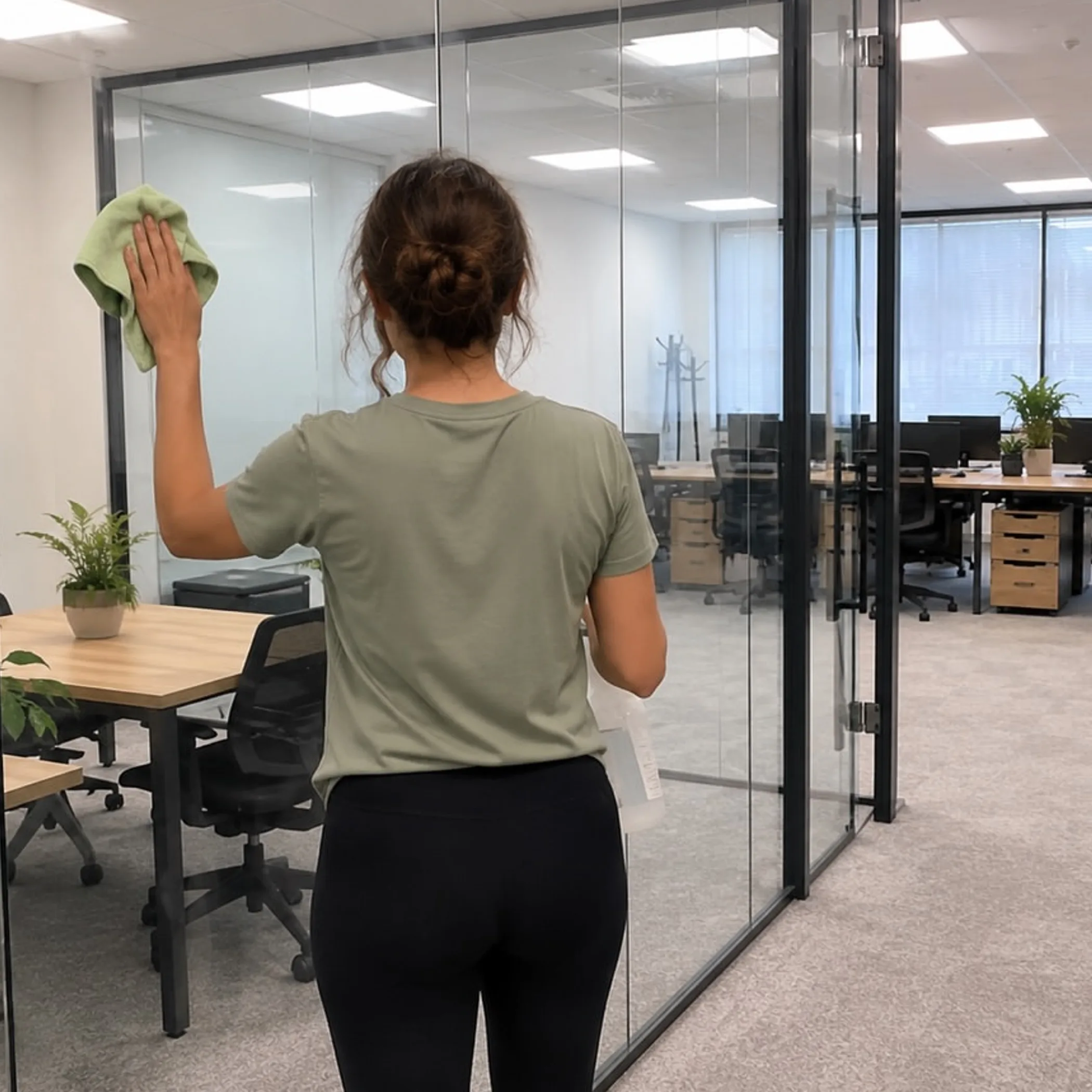
A sustainable product is more than a leaf on the package and a colour scheme. To be trusted by the Australian shopper it must spell out the details of its packaging, ingredients, manufacturing, disposal and so forth.
One may come across greywater or septic safe claims but they need to be taken in context. Septic systems are not all alike and greywater systems have restrictions of their own. Do not assume a cleaner is fit for garden irrigation or onsite wastewater without checking the product and your system.
Greenwashing
Take care with sweeping statements like “planet friendly” for which no rationale is given. Vague talk of “chemical free” or oversized claims on the natural content are red flags, as is packaging that is presented as recyclable with no instruction on how to dispose of it.
When making a comparison of the natural products available to an Australian household, a brief checklist is in order:
- Examine the safety and ingredient information in full.
- See if the cap, trigger, bottle and refills can be put to reuse or disposed of in the area.
- The cost per litre once prepared is what to compare, not the pack price.
- Make sure the formula is right for your septic or greywater arrangement and the surfaces at hand.
- Do not be swayed by green hues and nice typography, look for the evidence.
Some Australian Brands
Any number of Australian brands will be on the radar of eco-minded buyers, though the choice is down to the individual household. It is the product itself to be compared, not the name of the company, which may have varying performance and packaging from one format to the next.
| Brand | Often Considered For | Comparison Point |
|---|---|---|
| Koala Eco | Plant-based cleaners with an Australian flair | Compare the strength of the fragrance and suitability for the surface, as well as the bottle or refill. |
| Ecostore | For the supermarket shopper wanting a broad range | Price per use, ingredients and availability |
| The Dirt Company | Those looking to cut waste with a refill system | The convenience of the refill and the overall cost of repeat purchases |
| Pleasant State | Solid or otherwise low on packaging | How the format performs with your water and the job at hand |
| Kin Kin | An option for the ingredient-conscious | What the product is intended for, its concentration and fragrance |
| Euclove | Cleaning with eucalyptus | Instructions for the surface, dilution and how much of the scent one can take |
| Koh | A minimalist approach with reusable bottles | Results on the more stubborn grime and the cost of the system and its accessories |
Which is the better option, Koh or Koala Eco? There is no clear winner for all homes. You might be drawn to Koh for a neater system of reusable parts; then again, Koala Eco will likely be more to the taste of those who like their formulas to be plant-based with a botanical scent. Put them side by side and look at the performance on your particular messes as well as the cost per use, the packaging and the scent.
Delivery distances and what the local council has in the way of recycling are not the same for a household in Perth as they are in Newcastle, Melbourne or regional Queensland. One should therefore look into delivery charges, how easy it is to get refills and any guidance from the council before signing up to a subscription. Australia being what it is, if a product has to go a long way to put back a little plastic, a proper check on the cost and impact is warranted.
Do you get results from an eco cleaner?
Many can be relied upon for the ordinary dust, soap residue, fingerprints, food splashes and bathroom grime. Of course, the formula, water temperature, cloth and dosage will have a bearing on how well it cleans, as will the soil type and how long it is left to work.
There is a difference between expectation and reality. A mild all-purpose cleaner does a fine job on benches every day but is no match for fat that has been baked on. A bathroom cleaner might get at the soap scum but not heavy mould. The sustainable way is not to think you have found some magic bottle but to apply the least aggressive product and put in the mechanical effort required.
Matching the mess to the product
An all-purpose cleaner will do for hard surfaces provided the label says so. If it puts down a film, make a kitchen cleaner your choice for grease. For mineral deposits and soap in the bathroom a bathroom cleaner is called for, though heed any warnings when it comes to stone, metal or grout.
You will get better outcomes from a microfibre cloth, a reusable brush and letting the product have its time than from making a switch between five different cleaners. I made the mistake of blaming the cleaner for a poor showing with a waterless format once; in fact I had been too hasty in my spraying and wiping and did not give the solution a chance to break down the soil.
For a lower-waste routine
It ought to be something you can repeat without much thought. Have a small core of products and only replace them when they are doing their job. Do not be tempted to overhaul the whole cupboard on an enthusiastic Saturday, begin with a concentrate and one refillable bottle. See if the refill makes it to you in time and how long the bottle goes. Should the system prove itself, you can build on it.
A reset in a day
Make of your most used items the starting point: an all-purpose and a kitchen cleaner for the grease, or a bathroom one for the daily battle with soap residue. Refill after washing and drying the bottles, put labels on anything diluted and put the concentrates away from ready-to-use mixtures. Cloths are to be reused until they are done for and then disposed of as the material dictates; do not assume a compostable claim on the packaging means every old cloth can be put in the bin.
This is for the household that has no objection to reading a label and refilling. If your needs are more specialised or you require maximum germ-killing power or a product for commercial use, let the manufacturer or a professional tell you what to do rather than shoehorn in an eco version.
Frequently Asked Questions
In answering the questions that come up when comparing the brands on offer to the Australian shopper, I keep the short answers practical. No one wants a lesson in chemistry over a laundry bottle that is leaking.
What would be the best eco-friendly cleaners in Australia?
One that fits your budget and fragrance likes, has sound packaging and actually cleans the surface. You can compare such as Ecostore, Pleasant State, Kin Kin, Euclove, The Dirt Company, Koh and Koala Eco, but in the end the logo is less important than how the product performs.
Is there an advantage to Koh over Koala Eco?
Your priorities will dictate. Look at the accessories and refill costs of Koh against the packaging and formula of Koala Eco for the task at hand. Do not assume either is the superior one without putting the exact products to the test.
Best all-purpose cleaner for 2026?
Not for every home. Pick something with straightforward safety and ingredient information that will take care of your usual soils without you having to douse the place with it. A test on a spot out of sight is advisable.
And the most environmentally friendly?
Those with a waterless or concentrated format and a good refill system will cut down on waste. But the environmental outcome is a function of how far the product has to travel, the amount used and how often the container is put to reuse.
Septic safe?
Only if the product is so described and your provider gives the nod. “Natural” on the label is no licence to put oils or a concentrated mixture in the drain.
Less waste, a cleaner home
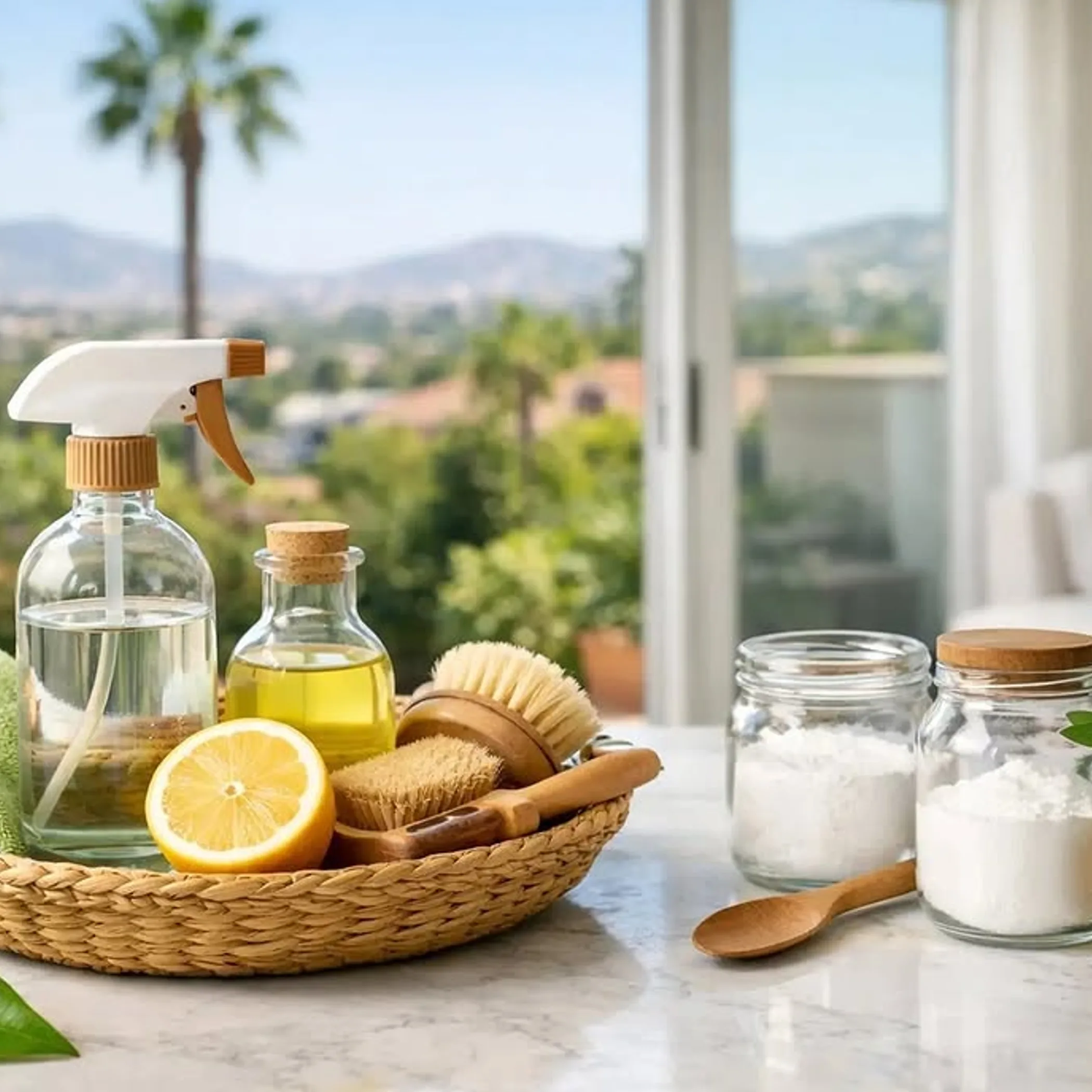
The trends in Australia this year are of the practical sort: buy your concentrates with care, be sceptical of claims and see that the product is right for the mess. Sustainability is not as dramatic as the ads would have you believe.
Use the packaging while it is still serviceable and choose what is right for your home. It is the sensible way to have a laundry cupboard that is not reminiscent of a supermarket aisle and to achieve gentle pH balanced care with less waste.
