When it comes to skincare on GLP-1 in Australia you are dealing with a few priorities: put some protection on your barrier, see to your collagen and be realistic about expectations as your weight shifts at a rate your skin cannot match. Take Ozempic or Wegovy and you may find yourself staring at a mirror and seeing a leaner face or a neck that is not as agreeable as it was, along with some dryness. To address these issues, consider using skincare ingredients for neck firmness. Do not think you are making it up; such things are to be expected of rapid weight loss and the right routine will put things right.
I am Caspian Reed and I have little time for miracle cures, preferring something that works. Much like a drive that seems short enough on paper but ends up being three hours and a stop at the servo for a pie, one has to be realistic about skin care here. It calls for a plan of daily essentials, some actives with a track record and the occasional medical opinion when a topical is not going to do the job.
What You Will See First
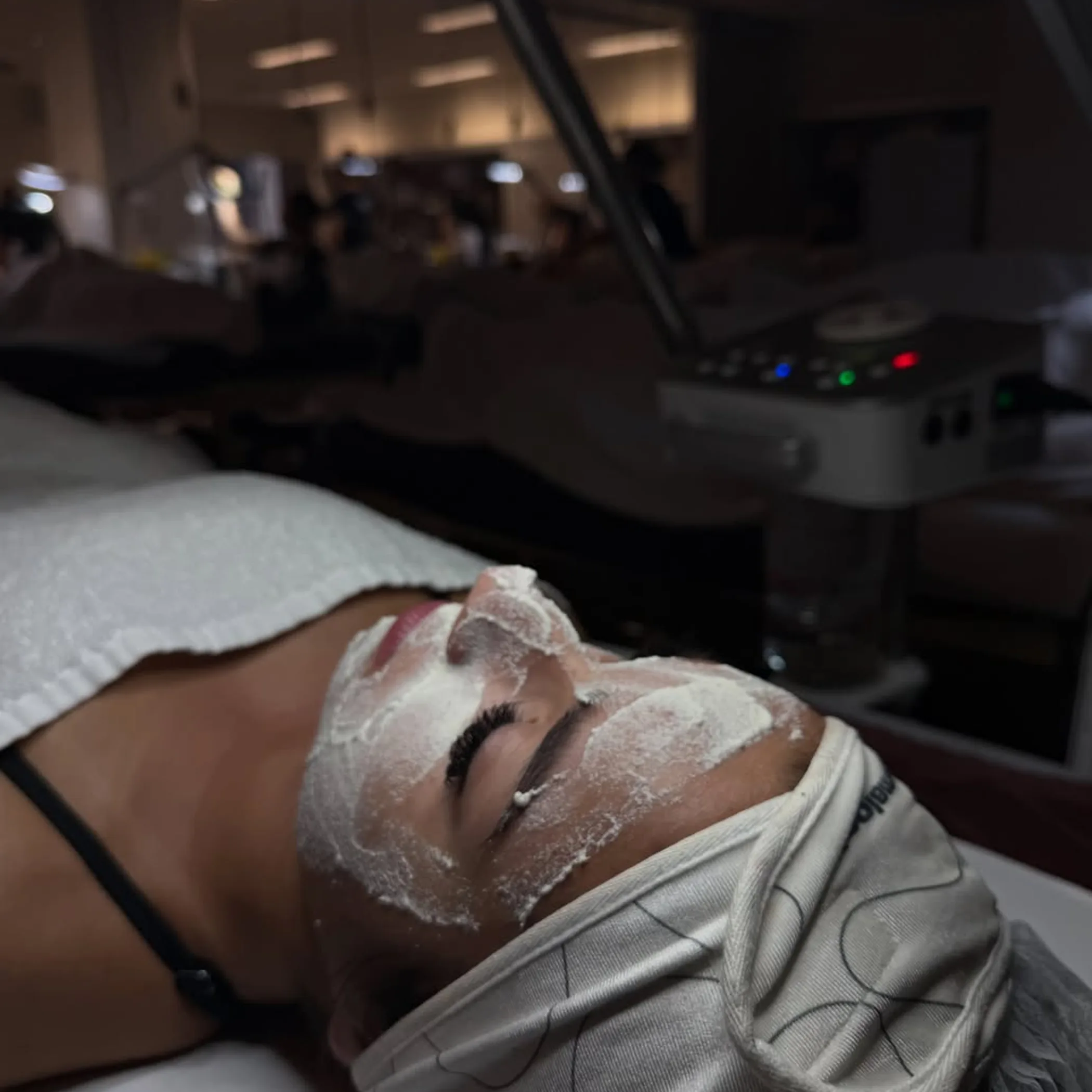
It is a shock to some to learn the drug has not “ruined” their complexion. Usually it is a confluence of factors from the weight loss: less energy, the thirst side effects, a reduction in facial fat and so forth. All of which can leave the skin drier and looser in the cheeks and jawline.
You will see talk of an “Ozempic face” or “GLP-1 face” on the internet, more dramatic than informative. Put simply, the loss of volume in the face exposes any laxity there was. Be it sun damage or a lack of diligence with sunscreen, if you were already a little dry these changes will be quicker to appear.
The Face And Neck Have To Bear The Brunt
There is nowhere to put a loose T-shirt over the face and neck to conceal a change in volume. As the fat pads go, the skin does not always follow suit in contracting, particularly if you have had your share of sun or smoking, or your protein intake is down and the barrier is weak. The neck is thin skinned and unforgiving of neglect, hence the 10.30 pm Google searches for firming ingredients.
Then there is the pace of it all. Weight can come off in a hurry but collagen production is not going to put in a sprint to make up for it. Remodelling of the skin is a slow process. Rude as it may be, it is the way it is.
Things to Keep An Eye On
One need not be as thorough as customs in the matter, but there are alterations you should spot early. The better you are at tending to hydration and the barrier, the easier it is for the skin to handle.
Clinicians will tell you and I have heard it from many a person: the pattern is well known. Dryness gives way to a dullness and then the lower face and neck seem to have lost some of their firmness. Not every instance is an argument for the clinic or injectables, but you have to deal with the problem at hand.
Dryness, Hollowing, Crepey Skin
Makeup will not sit well and you may have flaky patches by the nose or mouth, fine lines stand out and the skin feels tight after you have cleansed. A loss of volume in the face is evident in hollower cheeks, under eye shadowing and pronounced folds. In the case of the neck, a softer line from jaw to neck and horizontal creases are the mark of post weight loss laxity.
| Skin Change | What to expect | How to address it |
| Dryness | Dullness, stinging, flaking | A good moisturiser and ceramides to mend the barrier, nothing too harsh |
| Facial Volume Loss | A tired look, hollows, deep folds | Stay hydrated and use sunscreen, get a medical review in extreme cases |
| Neck Laxity | Visible lines and a crepey feel | Retinoids and peptides for some firmness, SPF every day |
| Dullness | No bounce to the skin, rough and flat | Vitamin C, some sleep and protein |
Reality check: a cream will do wonders for texture and dryness but it is not going to put fat back in your face. For that you might want to consider professional options.
Keep Your Routine Simple
Fancy is not what makes a routine. You want something you can stick to even when the bathroom shelf is as crowded as sardines and you have little appetite for anything else. My rule is to support the barrier first and introduce an active one by one. Piling on the acids and firming creams is a sure way to get irritated and make matters worse.
Morning Basics Worth the Effort
A gentle cleanser will do in the morning, or water alone for those with very dry skin. Put on a hydrating serum if you must and a moisturiser of the barrier-supporting kind, then make sure to apply your SPF 50+ sunscreen Australia. You can not afford to be without it every day when you want to see collagen production preserved; sun damage is the quickest way to put an end to your good intentions.
Dehydration calls for hyaluronic acid on face and neck, but one has to seal it with a cream. In a room that is over-air-conditioned or simply dry, hyaluronic acid by itself is something of a let down. It requires some company in the form of ceramides, squalane and glycerin to hold its ground.
Night Time Without Excess
Cleanse in a mild fashion and for sensitive skin have a moisturiser first. A retinoid can be introduced two or three times a week in a measured way. The evidence is there for retinoids to improve texture and fine lines and bolster collagen for firmness, but it is no sprint. One should be thinking in terms of months.
When not using a retinoid, go for something nourishing with peptides, niacinamide, panthenol or ceramides. And if the barrier is having a hard time, leave the exfoliating acids be. There is a tendency to think any roughness is an invitation to put on stronger exfoliation, which is usually a mistake. What is called for is more repair and less stripping.
- Morning: a gentle cleanse, serum and moisturiser followed by SPF 50+
- Night: cleanse and moisturise, a retinoid every other night and a repair cream the rest of the time
Do Not Neglect The Neck
The neck demands as much of a serious approach as the face and a little more of your patience. It is subject to side-sleeping, friction and the sun, and too often whatever is left on one’s fingertips is what gets put on it. That is a rather haphazard way to go about it.
Consistency is what matters if you are concerned with the neck, not the latest novelty. A routine you can put in place each day is better than a drawer of half-empty jars with overly optimistic labelling.
Of Use Are These Ingredients
For firmness of the neck, retinoids, humectants, barrier lipids and peptides are the most practical. Retinoids get at the cell turnover and collagen pathways. Peptides can put some elasticity and texture back in the look of the skin. Dehydrated neck skin will appear less crepey with hyaluronic acid and ceramides will curb irritation and water loss.
Vitamin C has its place in the morning to act as an antioxidant and aid collagen where pigmentation or dullness is evident. But tolerance is the rub. With food and fluid intake being lower than one might suppose, start low and slow.
Active Ingredients and Your Barrier
It is easy to let enthusiasm get the better of you. Actives in greater numbers do not necessarily mean better skin. Those on GLP-1s will find their hydration and skin a bit of a conundrum at times. An irritated barrier and you might as well have a warning siren with your priciest products; a calm one makes everything else more effective.
Retinoids, Peptides and Vitamin C
Retinoids are among the top topical choices for any textural change of a mild to moderate nature. Whether a prescription from your dermatologist or an OTC of a lesser strength, use at night and do not pair with strong exfoliating acids right off the bat. Peptides are not so dramatic and easier to put up with, making them suitable for the neck where irritation is prone to stick around. As for vitamin C, it is best under your sunscreen in the morning. Should a formula sting, a gentler derivative is preferable to walking away from it altogether.
When Topicals Will Not Cut It
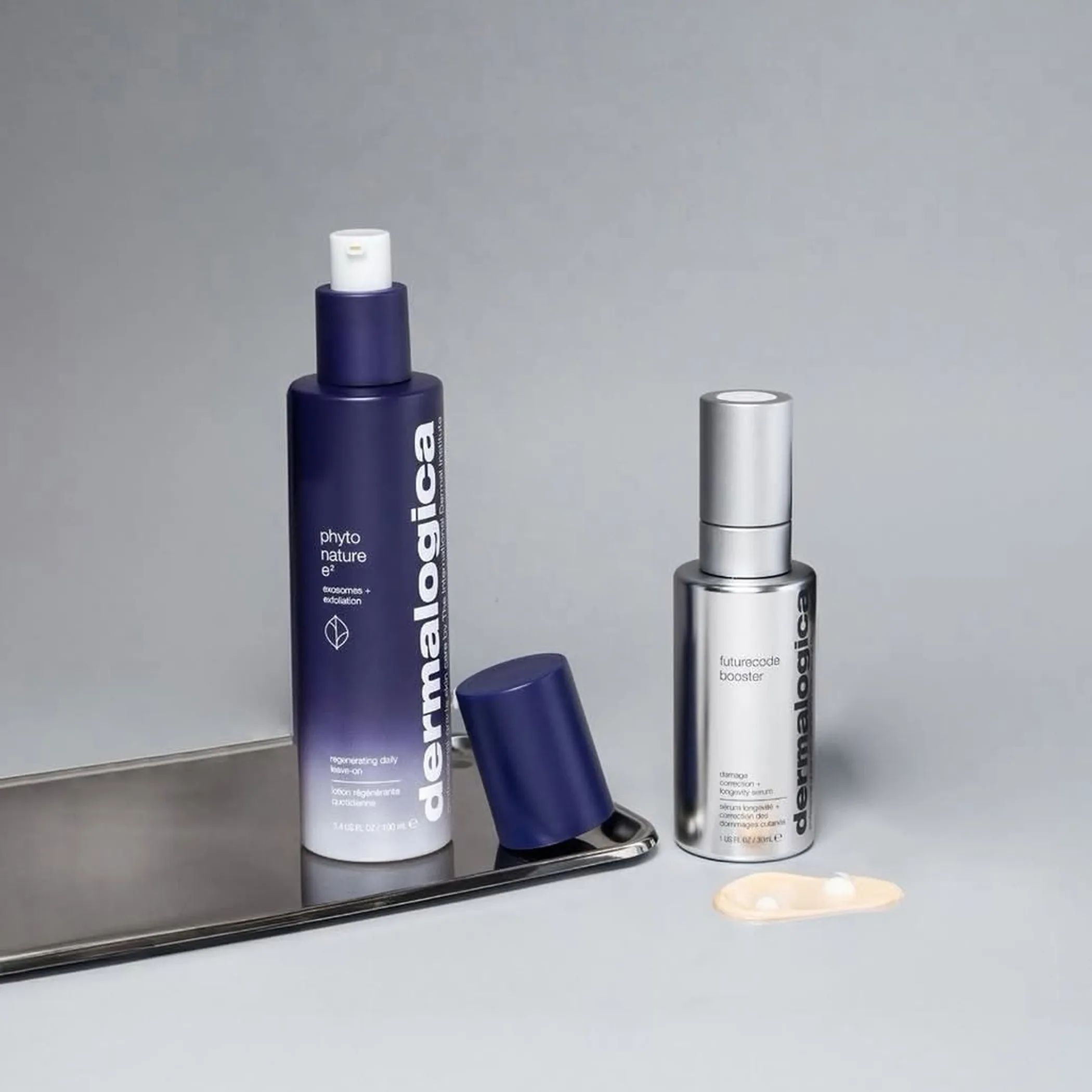
Occasionally it is not a matter of dry skin but volume loss and laxity. Topical care is still part of the equation but more of a supporting role. A cosmetic doctor or dermatologist is of real value here, not to say procedures are for everyone, but guessing is costly.
What Clinics in Australia Can Offer
One may come across microneedling, RF, biostimulators like PLLA / Sculptra, or polynucleotides and fat transfer in some instances. Sofwave is an ultrasound tightening method for mild to moderate laxity employed by some. Lanluma and Sculptra are examples of injectables to foster collagen support in the long run. It all comes down to the clinic and the practitioner.
With microneedling one can address texture and a degree of laxity, if the results are to be had in time. Radiofrequency (RF) is for tissue tightening and to get remodelling going. Where there is volume loss, fat transfer or fillers are an option, but that is a very individual call; put too much filler in a lean face and it will look strange in no time. Polynucleotides have been coming up in cosmetic medicine with some frequency, yet the evidence is not as good for every indication.
In Australia you will find cost expectations run the gamut depending on the city and who you go to. It is not something to buy on a whim, more of a several hundred to a few thousand AUD outlay for procedural work. Make an appointment for a consultation before anything else if there is one thing to do. An able clinician will know when to put the brakes on.
Skin From The Inside Out
Lose weight quickly and the state of your skin is not only a matter of what is in the bathroom cabinet. There are issues of muscle preservation, hydration and nutrition to contend with. Do not think you can neglect your food and sleep for months and drink like a forgetful galah while expecting your neck to put up with it.
The error most make is to put collagen powders ahead of getting their protein, fluids and resistance training in order. Let the fundamentals sort themselves before worrying about the frills.
Protein, Fluids And Movement
Adequate amino acids are required for the structure of the skin and its healing, so protein is important. Your GP or dietitian will have to set the targets given age, kidney health and body size. Then there is the question of staying hydrated, particularly if side effects blunt your thirst. A bottle at hand is hardly glamorous but neither is a dried apricot appearance by Thursday.
Resistance work will see off the “deflated” look some experience by preserving muscle and shape. Sleep and alcohol have their part to play as well; a lack of the former and regular dehydration will be evident on the face quicker than any serum.
- Have your protein at meals as your GP or dietitian would have you.
- Put some SPF 50+ on the chest, neck and face each day.
- If you are not registering thirst, keep track of fluids.
- Introduce an active and then wait a few weeks to see how it goes.
- For anything moderate to severe in the way of laxity or volume loss, see a specialist.
Safety First
There are some Australia-specific cautions to be had. The demand for these medicines has left an opening for the odd seller and counterfeits. A GLP-1 that is all too easy to come by is a red flag, not a convenience. The TGA has put out public advice on the perils of online purchases. As things stand, patients should stick to proper prescribers and pharmacies and be wary of unauthorised sites and those hawking on social media.
For the latest on recalls and regulation in this country, the TGA website is where one should look for their counterfeit warnings.
Prescriptions And Clinics
When you are weighing up the likes of NextClinic or WeightLossGP, do not be swayed by whoever makes the fastest promise of a script. What is of import is a prescribing process that is legitimate and suited to your history, under medical supervision. Old forum talk is no substitute for current medical opinion when supply and practice rules are liable to change.
Knowing When To Get Help
Home remedies have their limits and it is better to accept that early to avoid aggravation and expense. Should the skin turn very thin or loose without warning, or remain irritated, proper counsel is in order rather than a midnight run for a new serum. Caspian Reed has seen enough in his years to know what trips people up: put the basics in place first and have an expert take a look at what is not responding. There are concerns that do not warrant a trip to the cosmetic clinic, yet some call for an assessment.
Which Professional To See
For a GP: when you have new symptoms in the form of dizziness, hair loss or severe fatigue, are having trouble with eating and hydration, or your weight is coming off at a fast rate.
A dermatologist is the one to consult over eczema, rosacea, dermatitis or ongoing irritation from actives; he or she can put together a treatment plan for texture and laxity on an evidence-based footing.
And if topicals have run their course and you require something more in the way of professional treatments for collagen stimulation, neck tightening or facial volume loss, then a qualified cosmetic specialist is called for.
This guide has been put together for adults taking GLP-1s who are after some practical skin support for the dryness, neck changes and loss of facial volume they may be seeing. As for DIY, those with very sensitive or inflamed skin, a history of poor reaction to actives, recent procedures or retinoid restrictions due to pregnancy would be well advised to steer clear.
Some Questions Answered
One is bound to encounter the same questions. Then again, much of what is put about online is a tiresome mix of the overly dramatic and the vague.
The best skin care for a GLP-1 patient?
A gentle cleanser, a moisturiser to support the barrier, an Australian SPF 50+ for every day and an active like vitamin C or a retinoid that is well tolerated. Should the dryness be pronounced, put ceramides and humectants to work on the barrier before you go after “lifting” type claims.
Is it possible to put an end to sagging skin with GLP-1?
No guarantee of that, particularly with any sizeable or rapid loss of weight. But the look of skin laxity can be lessened by daily sunscreen, protein in the diet, resistance work and, where clinically indicated, radiofrequency or other means of stimulating collagen.
Which GLP-1 will be most effective for weight loss in 2026?
The information here does not allow me to say there is one option that suits all. It is a matter of tolerability, dose and medical oversight. Ozempic and Wegovy are familiar enough as GLP-1s but let your prescriber make the call, not what you see on social media.
Will Medicare cover it in 2026?
The policy settings in Australia and subsidy arrangements are subject to change and hinge on the indication and medicine in question. Put down the old forum posts and articles and ask your pharmacist or GP for the facts on coverage.
Do you have to have professional treatments for the GLP-1 face?
Not at all. Give it time for the weight to even out and up the hydration, barrier repair and SPF and mild changes will often sort themselves out. When the volume loss or neck laxity is of a moderate to severe degree, or you want a medical view on the matter, then it is more relevant.
A word to the wise
With skin care on GLP-1 in Australia, perfection is not the order of the day nor is there any need for panic. Be realistic and stick to the basics, and get proper help should the issue be one of volume and not just a dry texture.
During a time of considerable body change the skin can be a little unseemly, no harm done. Hydrate, use your sunscreen and be judicious with firming ingredients. If you must, have a word with a specialist or GP as to what is amenable to improvement and what is merely your skin’s long way back, akin to my dad and his “shortcut” that had him ending up next to a shed.
